WordPress database error: [INSERT, UPDATE command denied to user 'u601264489_migration77'@'localhost' for table `u601264489_migration77`.`wpny_options`] INSERT INTO `wpny_options` (`option_name`, `option_value`, `autoload`) VALUES ('_site_transient_timeout_wp_theme_files_patterns-274c3c2934b1afe8de4f3e14ddbcf82f', '1793044749', 'off') ON DUPLICATE KEY UPDATE `option_name` = VALUES(`option_name`), `option_value` = VALUES(`option_value`), `autoload` = VALUES(`autoload`)
WordPress database error: [INSERT, UPDATE command denied to user 'u601264489_migration77'@'localhost' for table `u601264489_migration77`.`wpny_options`] INSERT INTO `wpny_options` (`option_name`, `option_value`, `autoload`) VALUES ('_site_transient_wp_theme_files_patterns-274c3c2934b1afe8de4f3e14ddbcf82f', 'a:2:{s:7:\"version\";s:6:\"1.2.31\";s:8:\"patterns\";a:0:{}}', 'off') ON DUPLICATE KEY UPDATE `option_name` = VALUES(`option_name`), `option_value` = VALUES(`option_value`), `autoload` = VALUES(`autoload`)
WordPress database error: [UPDATE command denied to user 'u601264489_migration77'@'localhost' for table `u601264489_migration77`.`wpny_options`] UPDATE `wpny_options` SET `option_value` = '1793042949' WHERE `option_name` = 'vikupdater_update_lastcheck'
cURL error 28: Connection timed out after 5001 milliseconds
WordPress database error: [INSERT, UPDATE command denied to user 'u601264489_migration77'@'localhost' for table `u601264489_migration77`.`wpny_options`] INSERT INTO `wpny_options` (`option_name`, `option_value`, `autoload`) VALUES ('_transient_timeout_elementor_remote_info_api_data_3.21.8', '1793086154', 'off') ON DUPLICATE KEY UPDATE `option_name` = VALUES(`option_name`), `option_value` = VALUES(`option_value`), `autoload` = VALUES(`autoload`)
WordPress database error: [INSERT, UPDATE command denied to user 'u601264489_migration77'@'localhost' for table `u601264489_migration77`.`wpny_options`] INSERT INTO `wpny_options` (`option_name`, `option_value`, `autoload`) VALUES ('_transient_elementor_remote_info_api_data_3.21.8', 'a:4:{s:9:\"timestamp\";s:10:\"1793039615\";s:14:\"upgrade_notice\";a:3:{s:7:\"version\";s:5:\"2.0.0\";s:7:\"message\";s:0:\"\";s:11:\"update_link\";s:0:\"\";}s:11:\"pro_widgets\";a:82:{i:0;a:4:{s:4:\"name\";s:6:\"search\";s:5:\"title\";s:6:\"Search\";s:4:\"icon\";s:17:\"eicon-site-search\";s:10:\"categories\";s:16:\"[\"pro-elements\"]\";}i:1;a:4:{s:4:\"name\";s:5:\"posts\";s:5:\"title\";s:5:\"Posts\";s:4:\"icon\";s:15:\"eicon-post-list\";s:10:\"categories\";s:16:\"[\"pro-elements\"]\";}i:2;a:4:{s:4:\"name\";s:17:\"link-in-bio-var-2\";s:5:\"title\";s:7:\"Classic\";s:4:\"icon\";s:19:\"eicon-site-identity\";s:10:\"categories\";s:15:\"[\"link-in-bio\"]\";}i:3;a:4:{s:4:\"name\";s:9:\"portfolio\";s:5:\"title\";s:9:\"Portfolio\";s:4:\"icon\";s:18:\"eicon-gallery-grid\";s:10:\"categories\";s:16:\"[\"pro-elements\"]\";}i:4;a:4:{s:4:\"name\";s:17:\"link-in-bio-var-3\";s:5:\"title\";s:8:\"Showcase\";s:4:\"icon\";s:19:\"eicon-site-identity\";s:10:\"categories\";s:15:\"[\"link-in-bio\"]\";}i:5;a:4:{s:4:\"name\";s:9:\"mega-menu\";s:5:\"title\";s:4:\"Menu\";s:4:\"icon\";s:15:\"eicon-mega-menu\";s:10:\"categories\";s:33:\"[\"pro-elements\",\"theme-elements\"]\";}i:6;a:4:{s:4:\"name\";s:17:\"link-in-bio-var-4\";s:5:\"title\";s:5:\"Links\";s:4:\"icon\";s:19:\"eicon-site-identity\";s:10:\"categories\";s:15:\"[\"link-in-bio\"]\";}i:7;a:4:{s:4:\"name\";s:4:\"form\";s:5:\"title\";s:4:\"Form\";s:4:\"icon\";s:21:\"eicon-form-horizontal\";s:10:\"categories\";s:16:\"[\"pro-elements\"]\";}i:8;a:4:{s:4:\"name\";s:17:\"link-in-bio-var-5\";s:5:\"title\";s:8:\"Services\";s:4:\"icon\";s:19:\"eicon-site-identity\";s:10:\"categories\";s:15:\"[\"link-in-bio\"]\";}i:9;a:4:{s:4:\"name\";s:9:\"loop-grid\";s:5:\"title\";s:9:\"Loop Grid\";s:4:\"icon\";s:18:\"eicon-loop-builder\";s:10:\"categories\";s:33:\"[\"pro-elements\",\"theme-elements\"]\";}i:10;a:4:{s:4:\"name\";s:17:\"link-in-bio-var-6\";s:5:\"title\";s:13:\"Portfolio Bio\";s:4:\"icon\";s:19:\"eicon-site-identity\";s:10:\"categories\";s:15:\"[\"link-in-bio\"]\";}i:11;a:4:{s:4:\"name\";s:13:\"loop-carousel\";s:5:\"title\";s:13:\"Loop Carousel\";s:4:\"icon\";s:19:\"eicon-carousel-loop\";s:10:\"categories\";s:33:\"[\"pro-elements\",\"theme-elements\"]\";}i:12;a:4:{s:4:\"name\";s:17:\"link-in-bio-var-7\";s:5:\"title\";s:13:\"Business Card\";s:4:\"icon\";s:19:\"eicon-site-identity\";s:10:\"categories\";s:15:\"[\"link-in-bio\"]\";}i:13;a:4:{s:4:\"name\";s:7:\"gallery\";s:5:\"title\";s:7:\"Gallery\";s:4:\"icon\";s:23:\"eicon-gallery-justified\";s:10:\"categories\";s:16:\"[\"pro-elements\"]\";}i:14;a:4:{s:4:\"name\";s:17:\"animated-headline\";s:5:\"title\";s:17:\"Animated Headline\";s:4:\"icon\";s:23:\"eicon-animated-headline\";s:10:\"categories\";s:16:\"[\"pro-elements\"]\";}i:15;a:4:{s:4:\"name\";s:10:\"price-list\";s:5:\"title\";s:10:\"Price List\";s:4:\"icon\";s:16:\"eicon-price-list\";s:10:\"categories\";s:16:\"[\"pro-elements\"]\";}i:16;a:4:{s:4:\"name\";s:11:\"price-table\";s:5:\"title\";s:11:\"Price Table\";s:4:\"icon\";s:17:\"eicon-price-table\";s:10:\"categories\";s:16:\"[\"pro-elements\"]\";}i:17;a:4:{s:4:\"name\";s:8:\"flip-box\";s:5:\"title\";s:8:\"Flip Box\";s:4:\"icon\";s:14:\"eicon-flip-box\";s:10:\"categories\";s:16:\"[\"pro-elements\"]\";}i:18;a:4:{s:4:\"name\";s:14:\"call-to-action\";s:5:\"title\";s:14:\"Call to Action\";s:4:\"icon\";s:20:\"eicon-image-rollover\";s:10:\"categories\";s:16:\"[\"pro-elements\"]\";}i:19;a:4:{s:4:\"name\";s:14:\"media-carousel\";s:5:\"title\";s:14:\"Media Carousel\";s:4:\"icon\";s:20:\"eicon-media-carousel\";s:10:\"categories\";s:16:\"[\"pro-elements\"]\";}i:20;a:4:{s:4:\"name\";s:15:\"nested-carousel\";s:5:\"title\";s:8:\"Carousel\";s:4:\"icon\";s:21:\"eicon-nested-carousel\";s:10:\"categories\";s:16:\"[\"pro-elements\"]\";}i:21;a:4:{s:4:\"name\";s:10:\"off-canvas\";s:5:\"title\";s:10:\"Off-Canvas\";s:4:\"icon\";s:16:\"eicon-off-canvas\";s:10:\"categories\";s:16:\"[\"pro-elements\"]\";}i:22;a:4:{s:4:\"name\";s:9:\"countdown\";s:5:\"title\";s:9:\"Countdown\";s:4:\"icon\";s:15:\"eicon-countdown\";s:10:\"categories\";s:16:\"[\"pro-elements\"]\";}i:23;a:4:{s:4:\"name\";s:13:\"share-buttons\";s:5:\"title\";s:13:\"Share Buttons\";s:4:\"icon\";s:11:\"eicon-share\";s:10:\"categories\";s:16:\"[\"pro-elements\"]\";}i:24;a:4:{s:4:\"name\";s:10:\"blockquote\";s:5:\"title\";s:10:\"Blockquote\";s:4:\"icon\";s:16:\"eicon-blockquote\";s:10:\"categories\";s:16:\"[\"pro-elements\"]\";}i:25;a:4:{s:4:\"name\";s:6:\"lottie\";s:5:\"title\";s:6:\"Lottie\";s:4:\"icon\";s:12:\"eicon-lottie\";s:10:\"categories\";s:16:\"[\"pro-elements\"]\";}i:26;a:4:{s:4:\"name\";s:7:\"hotspot\";s:5:\"title\";s:7:\"Hotspot\";s:4:\"icon\";s:19:\"eicon-image-hotspot\";s:10:\"categories\";s:16:\"[\"pro-elements\"]\";}i:27;a:4:{s:4:\"name\";s:13:\"paypal-button\";s:5:\"title\";s:13:\"PayPal Button\";s:4:\"icon\";s:19:\"eicon-paypal-button\";s:10:\"categories\";s:16:\"[\"pro-elements\"]\";}i:28;a:4:{s:4:\"name\";s:14:\"code-highlight\";s:5:\"title\";s:14:\"Code Highlight\";s:4:\"icon\";s:20:\"eicon-code-highlight\";s:10:\"categories\";s:16:\"[\"pro-elements\"]\";}i:29;a:4:{s:4:\"name\";s:14:\"video-playlist\";s:5:\"title\";s:14:\"Video Playlist\";s:4:\"icon\";s:20:\"eicon-video-playlist\";s:10:\"categories\";s:16:\"[\"pro-elements\"]\";}i:30;a:4:{s:4:\"name\";s:8:\"template\";s:5:\"title\";s:8:\"Template\";s:4:\"icon\";s:19:\"eicon-document-file\";s:10:\"categories\";s:16:\"[\"pro-elements\"]\";}i:31;a:4:{s:4:\"name\";s:13:\"stripe-button\";s:5:\"title\";s:13:\"Stripe Button\";s:4:\"icon\";s:19:\"eicon-stripe-button\";s:10:\"categories\";s:16:\"[\"pro-elements\"]\";}i:32;a:4:{s:4:\"name\";s:16:\"progress-tracker\";s:5:\"title\";s:16:\"Progress Tracker\";s:4:\"icon\";s:22:\"eicon-progress-tracker\";s:10:\"categories\";s:40:\"[\"pro-elements\",\"theme-elements-single\"]\";}i:33;a:4:{s:4:\"name\";s:8:\"nav-menu\";s:5:\"title\";s:8:\"Nav Menu\";s:4:\"icon\";s:14:\"eicon-nav-menu\";s:10:\"categories\";s:33:\"[\"pro-elements\",\"theme-elements\"]\";}i:34;a:4:{s:4:\"name\";s:17:\"table-of-contents\";s:5:\"title\";s:17:\"Table of Contents\";s:4:\"icon\";s:23:\"eicon-table-of-contents\";s:10:\"categories\";s:33:\"[\"pro-elements\",\"theme-elements\"]\";}i:35;a:4:{s:4:\"name\";s:5:\"login\";s:5:\"title\";s:5:\"Login\";s:4:\"icon\";s:15:\"eicon-lock-user\";s:10:\"categories\";s:16:\"[\"pro-elements\"]\";}i:36;a:4:{s:4:\"name\";s:6:\"slides\";s:5:\"title\";s:6:\"Slides\";s:4:\"icon\";s:12:\"eicon-slides\";s:10:\"categories\";s:16:\"[\"pro-elements\"]\";}i:37;a:4:{s:4:\"name\";s:20:\"testimonial-carousel\";s:5:\"title\";s:20:\"Testimonial Carousel\";s:4:\"icon\";s:26:\"eicon-testimonial-carousel\";s:10:\"categories\";s:16:\"[\"pro-elements\"]\";}i:38;a:4:{s:4:\"name\";s:7:\"reviews\";s:5:\"title\";s:7:\"Reviews\";s:4:\"icon\";s:12:\"eicon-review\";s:10:\"categories\";s:16:\"[\"pro-elements\"]\";}i:39;a:4:{s:4:\"name\";s:15:\"facebook-button\";s:5:\"title\";s:15:\"Facebook Button\";s:4:\"icon\";s:23:\"eicon-facebook-like-box\";s:10:\"categories\";s:16:\"[\"pro-elements\"]\";}i:40;a:4:{s:4:\"name\";s:17:\"facebook-comments\";s:5:\"title\";s:17:\"Facebook Comments\";s:4:\"icon\";s:23:\"eicon-facebook-comments\";s:10:\"categories\";s:16:\"[\"pro-elements\"]\";}i:41;a:4:{s:4:\"name\";s:14:\"facebook-embed\";s:5:\"title\";s:14:\"Facebook Embed\";s:4:\"icon\";s:14:\"eicon-fb-embed\";s:10:\"categories\";s:16:\"[\"pro-elements\"]\";}i:42;a:4:{s:4:\"name\";s:13:\"facebook-page\";s:5:\"title\";s:13:\"Facebook Page\";s:4:\"icon\";s:13:\"eicon-fb-feed\";s:10:\"categories\";s:16:\"[\"pro-elements\"]\";}i:43;a:4:{s:4:\"name\";s:15:\"theme-site-logo\";s:5:\"title\";s:9:\"Site Logo\";s:4:\"icon\";s:15:\"eicon-site-logo\";s:10:\"categories\";s:18:\"[\"theme-elements\"]\";}i:44;a:4:{s:4:\"name\";s:16:\"theme-site-title\";s:5:\"title\";s:10:\"Site Title\";s:4:\"icon\";s:16:\"eicon-site-title\";s:10:\"categories\";s:18:\"[\"theme-elements\"]\";}i:45;a:4:{s:4:\"name\";s:16:\"theme-page-title\";s:5:\"title\";s:10:\"Page Title\";s:4:\"icon\";s:19:\"eicon-archive-title\";s:10:\"categories\";s:18:\"[\"theme-elements\"]\";}i:46;a:4:{s:4:\"name\";s:16:\"theme-post-title\";s:5:\"title\";s:10:\"Post Title\";s:4:\"icon\";s:16:\"eicon-post-title\";s:10:\"categories\";s:18:\"[\"theme-elements\"]\";}i:47;a:4:{s:4:\"name\";s:18:\"theme-post-excerpt\";s:5:\"title\";s:12:\"Post Excerpt\";s:4:\"icon\";s:18:\"eicon-post-excerpt\";s:10:\"categories\";s:18:\"[\"theme-elements\"]\";}i:48;a:4:{s:4:\"name\";s:25:\"theme-post-featured-image\";s:5:\"title\";s:14:\"Featured Image\";s:4:\"icon\";s:20:\"eicon-featured-image\";s:10:\"categories\";s:18:\"[\"theme-elements\"]\";}i:49;a:4:{s:4:\"name\";s:19:\"theme-archive-title\";s:5:\"title\";s:13:\"Archive Title\";s:4:\"icon\";s:19:\"eicon-archive-title\";s:10:\"categories\";s:18:\"[\"theme-elements\"]\";}i:50;a:4:{s:4:\"name\";s:13:\"archive-posts\";s:5:\"title\";s:13:\"Archive Posts\";s:4:\"icon\";s:19:\"eicon-archive-posts\";s:10:\"categories\";s:18:\"[\"theme-elements\"]\";}i:51;a:4:{s:4:\"name\";s:10:\"author-box\";s:5:\"title\";s:10:\"Author Box\";s:4:\"icon\";s:12:\"eicon-person\";s:10:\"categories\";s:18:\"[\"theme-elements\"]\";}i:52;a:4:{s:4:\"name\";s:13:\"post-comments\";s:5:\"title\";s:13:\"Post Comments\";s:4:\"icon\";s:14:\"eicon-comments\";s:10:\"categories\";s:18:\"[\"theme-elements\"]\";}i:53;a:4:{s:4:\"name\";s:15:\"post-navigation\";s:5:\"title\";s:15:\"Post Navigation\";s:4:\"icon\";s:21:\"eicon-post-navigation\";s:10:\"categories\";s:18:\"[\"theme-elements\"]\";}i:54;a:4:{s:4:\"name\";s:9:\"post-info\";s:5:\"title\";s:9:\"Post Info\";s:4:\"icon\";s:15:\"eicon-post-info\";s:10:\"categories\";s:18:\"[\"theme-elements\"]\";}i:55;a:4:{s:4:\"name\";s:7:\"sitemap\";s:5:\"title\";s:7:\"Sitemap\";s:4:\"icon\";s:13:\"eicon-sitemap\";s:10:\"categories\";s:18:\"[\"theme-elements\"]\";}i:56;a:4:{s:4:\"name\";s:11:\"breadcrumbs\";s:5:\"title\";s:11:\"Breadcrumbs\";s:4:\"icon\";s:11:\"eicon-yoast\";s:10:\"categories\";s:18:\"[\"theme-elements\"]\";}i:57;a:4:{s:4:\"name\";s:21:\"woocommerce-menu-cart\";s:5:\"title\";s:9:\"Menu Cart\";s:4:\"icon\";s:10:\"eicon-cart\";s:10:\"categories\";s:41:\"[\"theme-elements\",\"woocommerce-elements\"]\";}i:58;a:4:{s:4:\"name\";s:19:\"wc-archive-products\";s:5:\"title\";s:16:\"Archive Products\";s:4:\"icon\";s:14:\"eicon-products\";s:10:\"categories\";s:24:\"[\"woocommerce-elements\"]\";}i:59;a:4:{s:4:\"name\";s:31:\"woocommerce-archive-description\";s:5:\"title\";s:19:\"Archive Description\";s:4:\"icon\";s:25:\"eicon-product-description\";s:10:\"categories\";s:24:\"[\"woocommerce-elements\"]\";}i:60;a:4:{s:4:\"name\";s:20:\"woocommerce-products\";s:5:\"title\";s:8:\"Products\";s:4:\"icon\";s:14:\"eicon-products\";s:10:\"categories\";s:24:\"[\"woocommerce-elements\"]\";}i:61;a:4:{s:4:\"name\";s:22:\"woocommerce-breadcrumb\";s:5:\"title\";s:23:\"WooCommerce Breadcrumbs\";s:4:\"icon\";s:25:\"eicon-product-breadcrumbs\";s:10:\"categories\";s:24:\"[\"woocommerce-elements\"]\";}i:62;a:4:{s:4:\"name\";s:14:\"wc-add-to-cart\";s:5:\"title\";s:18:\"Custom Add To Cart\";s:4:\"icon\";s:17:\"eicon-woocommerce\";s:10:\"categories\";s:24:\"[\"woocommerce-elements\"]\";}i:63;a:4:{s:4:\"name\";s:11:\"wc-elements\";s:5:\"title\";s:17:\"WooCommerce Pages\";s:4:\"icon\";s:19:\"eicon-product-pages\";s:10:\"categories\";s:24:\"[\"woocommerce-elements\"]\";}i:64;a:4:{s:4:\"name\";s:13:\"wc-categories\";s:5:\"title\";s:18:\"Product Categories\";s:4:\"icon\";s:24:\"eicon-product-categories\";s:10:\"categories\";s:24:\"[\"woocommerce-elements\"]\";}i:65;a:4:{s:4:\"name\";s:25:\"woocommerce-product-title\";s:5:\"title\";s:13:\"Product Title\";s:4:\"icon\";s:19:\"eicon-product-title\";s:10:\"categories\";s:24:\"[\"woocommerce-elements\"]\";}i:66;a:4:{s:4:\"name\";s:26:\"woocommerce-product-images\";s:5:\"title\";s:14:\"Product Images\";s:4:\"icon\";s:20:\"eicon-product-images\";s:10:\"categories\";s:24:\"[\"woocommerce-elements\"]\";}i:67;a:4:{s:4:\"name\";s:25:\"woocommerce-product-price\";s:5:\"title\";s:13:\"Product Price\";s:4:\"icon\";s:19:\"eicon-product-price\";s:10:\"categories\";s:24:\"[\"woocommerce-elements\"]\";}i:68;a:4:{s:4:\"name\";s:31:\"woocommerce-product-add-to-cart\";s:5:\"title\";s:11:\"Add To Cart\";s:4:\"icon\";s:25:\"eicon-product-add-to-cart\";s:10:\"categories\";s:24:\"[\"woocommerce-elements\"]\";}i:69;a:4:{s:4:\"name\";s:26:\"woocommerce-product-rating\";s:5:\"title\";s:14:\"Product Rating\";s:4:\"icon\";s:20:\"eicon-product-rating\";s:10:\"categories\";s:24:\"[\"woocommerce-elements\"]\";}i:70;a:4:{s:4:\"name\";s:25:\"woocommerce-product-stock\";s:5:\"title\";s:13:\"Product Stock\";s:4:\"icon\";s:19:\"eicon-product-stock\";s:10:\"categories\";s:24:\"[\"woocommerce-elements\"]\";}i:71;a:4:{s:4:\"name\";s:24:\"woocommerce-product-meta\";s:5:\"title\";s:12:\"Product Meta\";s:4:\"icon\";s:18:\"eicon-product-meta\";s:10:\"categories\";s:24:\"[\"woocommerce-elements\"]\";}i:72;a:4:{s:4:\"name\";s:37:\"woocommerce-product-short-description\";s:5:\"title\";s:17:\"Short Description\";s:4:\"icon\";s:25:\"eicon-product-description\";s:10:\"categories\";s:24:\"[\"woocommerce-elements\"]\";}i:73;a:4:{s:4:\"name\";s:29:\"woocommerce-product-data-tabs\";s:5:\"title\";s:17:\"Product Data Tabs\";s:4:\"icon\";s:18:\"eicon-product-tabs\";s:10:\"categories\";s:24:\"[\"woocommerce-elements\"]\";}i:74;a:4:{s:4:\"name\";s:42:\"woocommerce-product-additional-information\";s:5:\"title\";s:22:\"Additional Information\";s:4:\"icon\";s:19:\" eicon-product-info\";s:10:\"categories\";s:24:\"[\"woocommerce-elements\"]\";}i:75;a:4:{s:4:\"name\";s:27:\"woocommerce-product-related\";s:5:\"title\";s:15:\"Product Related\";s:4:\"icon\";s:21:\"eicon-product-related\";s:10:\"categories\";s:24:\"[\"woocommerce-elements\"]\";}i:76;a:4:{s:4:\"name\";s:26:\"woocommerce-product-upsell\";s:5:\"title\";s:7:\"Upsells\";s:4:\"icon\";s:20:\"eicon-product-upsell\";s:10:\"categories\";s:24:\"[\"woocommerce-elements\"]\";}i:77;a:4:{s:4:\"name\";s:25:\"woocommerce-checkout-page\";s:5:\"title\";s:8:\"Checkout\";s:4:\"icon\";s:14:\"eicon-checkout\";s:10:\"categories\";s:24:\"[\"woocommerce-elements\"]\";}i:78;a:4:{s:4:\"name\";s:16:\"woocommerce-cart\";s:5:\"title\";s:4:\"Cart\";s:4:\"icon\";s:14:\"eicon-woo-cart\";s:10:\"categories\";s:24:\"[\"woocommerce-elements\"]\";}i:79;a:4:{s:4:\"name\";s:22:\"woocommerce-my-account\";s:5:\"title\";s:10:\"My Account\";s:4:\"icon\";s:16:\"eicon-my-account\";s:10:\"categories\";s:24:\"[\"woocommerce-elements\"]\";}i:80;a:4:{s:4:\"name\";s:28:\"woocommerce-purchase-summary\";s:5:\"title\";s:16:\"Purchase Summary\";s:4:\"icon\";s:22:\"eicon-purchase-summary\";s:10:\"categories\";s:24:\"[\"woocommerce-elements\"]\";}i:81;a:4:{s:4:\"name\";s:19:\"woocommerce-notices\";s:5:\"title\";s:19:\"WooCommerce Notices\";s:4:\"icon\";s:25:\"eicon-woocommerce-notices\";s:10:\"categories\";s:24:\"[\"woocommerce-elements\"]\";}}s:17:\"canary_deployment\";a:2:{s:11:\"plugin_info\";a:11:{s:2:\"id\";s:23:\"w.org/plugins/elementor\";s:4:\"slug\";s:9:\"elementor\";s:6:\"plugin\";s:23:\"elementor/elementor.php\";s:11:\"new_version\";s:5:\"3.6.0\";s:7:\"package\";s:58:\"https://downloads.wordpress.org/plugin/elementor.3.6.0.zip\";s:3:\"url\";s:40:\"https://wordpress.org/plugins/elementor/\";s:5:\"icons\";a:3:{s:2:\"2x\";s:62:\"https://ps.w.org/elementor/assets/icon-256x256.png?rev=1427768\";s:2:\"1x\";s:54:\"https://ps.w.org/elementor/assets/icon.svg?rev=1426809\";s:3:\"svg\";s:54:\"https://ps.w.org/elementor/assets/icon.svg?rev=1426809\";}s:7:\"banners\";a:2:{s:2:\"2x\";s:65:\"https://ps.w.org/elementor/assets/banner-1544x500.png?rev=1475479\";s:2:\"1x\";s:64:\"https://ps.w.org/elementor/assets/banner-772x250.png?rev=1475479\";}s:11:\"banners_rtl\";a:0:{}s:6:\"tested\";s:5:\"7.1.3\";s:12:\"requires_php\";s:3:\"5.6\";}s:10:\"conditions\";a:0:{}}}', 'off') ON DUPLICATE KEY UPDATE `option_name` = VALUES(`option_name`), `option_value` = VALUES(`option_value`), `autoload` = VALUES(`autoload`)
WordPress database error: [INSERT, UPDATE command denied to user 'u601264489_migration77'@'localhost' for table `u601264489_migration77`.`wpny_post_views`] INSERT INTO wpny_post_views (id, type, period, count) VALUES (92509, 0, '20261026', 1) ON DUPLICATE KEY UPDATE count = count + 1
WordPress database error: [INSERT, UPDATE command denied to user 'u601264489_migration77'@'localhost' for table `u601264489_migration77`.`wpny_post_views`] INSERT INTO wpny_post_views (id, type, period, count) VALUES (92509, 1, '202644', 1) ON DUPLICATE KEY UPDATE count = count + 1
WordPress database error: [INSERT, UPDATE command denied to user 'u601264489_migration77'@'localhost' for table `u601264489_migration77`.`wpny_post_views`] INSERT INTO wpny_post_views (id, type, period, count) VALUES (92509, 2, '202610', 1) ON DUPLICATE KEY UPDATE count = count + 1
WordPress database error: [INSERT, UPDATE command denied to user 'u601264489_migration77'@'localhost' for table `u601264489_migration77`.`wpny_post_views`] INSERT INTO wpny_post_views (id, type, period, count) VALUES (92509, 3, '2026', 1) ON DUPLICATE KEY UPDATE count = count + 1
WordPress database error: [INSERT, UPDATE command denied to user 'u601264489_migration77'@'localhost' for table `u601264489_migration77`.`wpny_post_views`] INSERT INTO wpny_post_views (id, type, period, count) VALUES (92509, 4, 'total', 1) ON DUPLICATE KEY UPDATE count = count + 1
WordPress database error: [INSERT, UPDATE command denied to user 'u601264489_migration77'@'localhost' for table `u601264489_migration77`.`wpny_options`] INSERT INTO `wpny_options` (`option_name`, `option_value`, `autoload`) VALUES ('_transient_timeout_omapp_me_cachedd41d8cd98f00b204e9800998ecf8427e', '1793129354', 'off') ON DUPLICATE KEY UPDATE `option_name` = VALUES(`option_name`), `option_value` = VALUES(`option_value`), `autoload` = VALUES(`autoload`)
WordPress database error: [INSERT, UPDATE command denied to user 'u601264489_migration77'@'localhost' for table `u601264489_migration77`.`wpny_options`] INSERT INTO `wpny_options` (`option_name`, `option_value`, `autoload`) VALUES ('_transient_omapp_me_cachedd41d8cd98f00b204e9800998ecf8427e', 'O:8:\"stdClass\":1:{s:9:\"ruleTypes\";a:0:{}}', 'off') ON DUPLICATE KEY UPDATE `option_name` = VALUES(`option_name`), `option_value` = VALUES(`option_value`), `autoload` = VALUES(`autoload`)
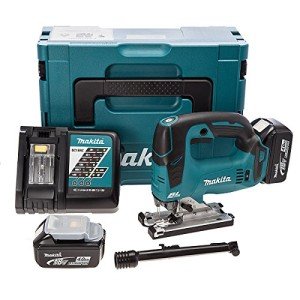
mitre-saws-for-sale5149 - Minnie Lee Realty LLC
WordPress database error: [UPDATE command denied to user 'u601264489_migration77'@'localhost' for table `u601264489_migration77`.`wpny_postmeta`] UPDATE `wpny_postmeta` SET `meta_value` = '1' WHERE `post_id` = 92509 AND `meta_key` = '_agent_views_count'
Understanding Miter Saws: A Comprehensive Guide for Woodworkers
Miter saws are vital tools in the repertoire of both professional woodworkers and DIY enthusiasts. They use precision and adaptability for a variety of cutting jobs, particularly in developing angled cuts for molding, frames, and other jobs. This article looks into the world of miter saws, covering their components, types, applications, and maintenance tips, along with resolving some frequently asked questions.
What is a Miter Saw?
A miter saw is a power tool utilized for making crosscuts and miters in a workpiece. It features a blade mounted on a swing arm that rotates left or best to develop angled cuts. Whether it’s for trim work or framing, the miter saw‘s primary benefit lies in its capacity to make accurate cuts rapidly and effectively.
Components of a Miter Saw
Understanding the essential components of a miter saw can boost its functionality and maintenance. Below is a table describing the crucial components:
Component
Description
Blade
A circular saw blade designed specifically for cutting wood.
Base Plate
The flat surface area that supports the workpiece throughout cutting.
Fence
A straight edge that guides the workpiece for precise cuts.
Dust Bag
Gathers sawdust to decrease mess during cutting.
Miter Gauge
A sliding system that permits for setting the wanted angle.
Motor
Powers the blade for cutting through product.
Pivot Arm
Permits the blade to swing down for cutting.
Types of Miter Saws
Miter saws are available in various types, each designed for specific tasks. Below is a table summarizing the main types of miter saws:
Features a sliding system permitting the blade to travel even more, increasing cutting capacity.
Bigger materials and innovative projects.
Laser-guided Miter Saw
Equipped with a laser guide to boost cutting precision.
Tasks needing precision and information.
Selecting the Right Miter Saw
Picking the proper miter saw mostly depends upon the scale and nature of the tasks you plan to carry out. Here are some aspects to think about:
Type of Cuts Needed: Determine whether you need simple miter cuts or more complicated compound cuts.
Product Size: Depending on the size of your product, a sliding design might be required.
Budget plan: Prices can differ substantially; ensure you choose one that satisfies your needs without breaking the bank.
Portability: If you require to move your saw regularly, think about the weight and stability of the design.
Power: Higher wattage provides better performance, particularly for harder materials.
Typical Applications of Miter Saws
Miter Mitre Saws For Sale are notably versatile tools appropriate for a range of construction and DIY tasks. Typical applications consist of:
Framing: Cutting lumber at exact angles for building walls or structures.
Crown Molding: Creating angles and joints for decorative crown molding setups.
Furnishings Making: Producing tidy and precise cuts for tables, chairs, and other furnishings.
Decking: Making accurate cuts for deck boards and railing systems.
Crafting: Used in craft projects for making frames, boxes, and other small wood products.
Upkeep Tips for Miter Saws
Correct care and upkeep can extend the life of a miter Mitre Saw Hand. Follow these suggestions:
Regular Cleaning: Ensure the blade and base are complimentary from sawdust and particles after each usage.
Blade Replacement: Regularly check and change dull blades to make sure clean cuts.
** Lubrication **: Periodically lube pivot points and slide mechanisms for smoother operation.
Calibration: Make sure the saw is appropriately lined up for accurate cuts.
Safety Checks: Routinely inspect for any wear or problems that might trigger injury or decrease efficiency.
Often Asked Questions (FAQs)
1. How Do I Set the Angle for a Miter Cut?
To set the angle, unlock the miter gauge and align it with the wanted degree on the scale, then lock it back into place.
2. Can I Use a Miter Saw for Cutting Metal?
While some miter saws can cut specific kinds of metal with the appropriate blade, it’s normally a good idea to use a saw specifically developed for metal cutting to prevent damage.
3. What Safety Equipment Should I Use When Operating a Miter Saw?
Always use safety goggles, ear security, and a dust mask. It’s likewise wise to have a push stick convenient for guiding small pieces of wood.
4. How Do I Choose the Right Blade for My Miter Saw?
Select a blade that is proper for the material you plan to cut. For softwoods, a blade with less teeth is suitable, while hardwoods require a blade with more teeth for a finer finish.
5. Can I Cut Compound Angles with a Standard Miter Saw?
Basic miter saws are not created for compound angles. A compound or dual Compound Mitre Saw miter saw will be necessary for that job.
Miter saws are essential tools for anyone interested in woodworking, whether they are an amateur DIYer or a skilled professional. By understanding the various types of miter saws, their functions, suitable applications, and maintenance practices, users can substantially enhance their woodworking projects’ quality and effectiveness. Keep in mind to focus on safety, select the best equipment, and keep your tools regularly to accomplish optimum results.
Be the first to review “mitre-saws-for-sale5149” Cancel reply
Close
Compare Properties
Compare (0)
WordPress database error: [INSERT, UPDATE command denied to user 'u601264489_migration77'@'localhost' for table `u601264489_migration77`.`wpny_options`] INSERT INTO `wpny_options` (`option_name`, `option_value`, `autoload`) VALUES ('_transient_doing_cron', '1793042955.0843179225921630859375', 'on') ON DUPLICATE KEY UPDATE `option_name` = VALUES(`option_name`), `option_value` = VALUES(`option_value`), `autoload` = VALUES(`autoload`)
WordPress database error: [UPDATE command denied to user 'u601264489_migration77'@'localhost' for table `u601264489_migration77`.`wpny_options`] UPDATE `wpny_options` SET `option_value` = '1795634955' WHERE `option_name` = '_transient_timeout_woocommerce_blocks_asset_api_script_data_ssl'