



ielts-certificate-online7951
ielts-certificate-online7951
10 Undeniable Reasons People Hate Purchase IELTS Certificate
The Ethical and Practical Considerations of Purchasing an IELTS Certificate
The International English Language Testing System (IELTS) is a worldwide recognized test created to assess the language efficiency of non-native English speakers. It is extensively used for academic, professional, and migration purposes. Offered its value, the idea of buying an IELTS certificate without actually taking the test may appear appealing to some. Nevertheless, this practice is not only dishonest but likewise fraught with considerable risks and consequences. This post explores the ethical, practical, and legal considerations of buying an IELTS certificate, and supplies insights into why it is vital to take the test truthfully.
Understanding the IELTS Test
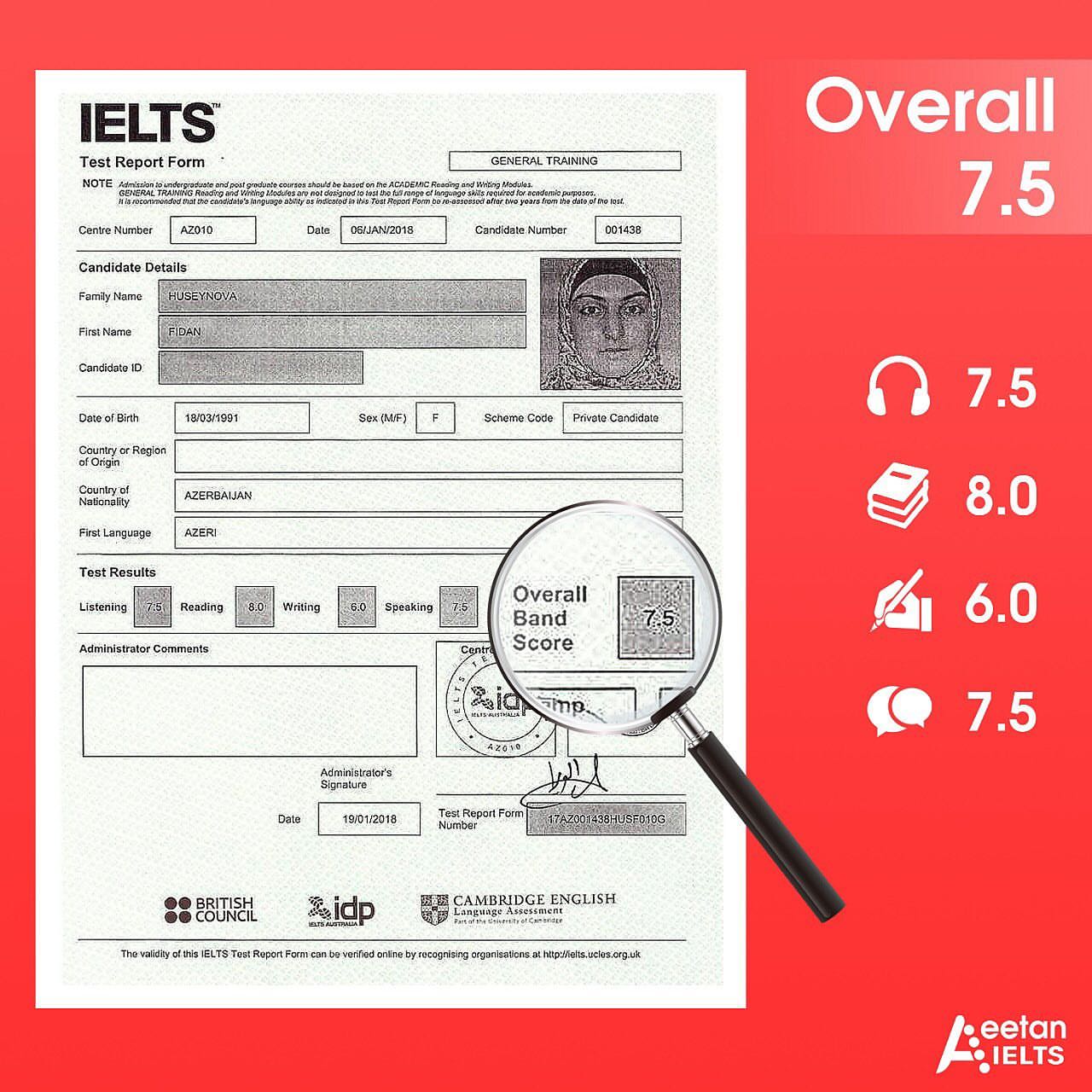
Before delving into the ethical and useful elements, it is important to understand what the IELTS test entails. The IELTS exam is divided into 4 sections: Listening, Reading, Writing, and Speaking. Each area is created to examine various aspects of language efficiency. The test is scored on a scale of 0 to 9, with 9 being the highest score. The IELTS is administered by the British Council, IDP: IELTS Australia, and Cambridge Assessment English, ensuring a high level of standardization and dependability.
Why People Consider Purchasing an IELTS Certificate
- Time Constraints: Some individuals may feel that they do not have enough time to prepare for the test.
- Worry of Failure: The pressure to carry out well can be overwhelming, leading some to think about shortcuts.
- Financial Constraints: Preparing for the IELTS can be pricey, consisting of charges for test preparation products and the test itself.
- Desire for Immediate Results: The need for a quick option to meet academic or professional requirements can be a strong incentive.
Ethical Considerations
1. Stability and Honesty
Getting an Get Original Ielts Certificate certificate weakens the principles of stability and sincerity. The IELTS is designed to accurately measure an individual’s language abilities, and utilizing a fake certificate is a kind of deception. This can have severe repercussions, both personally and expertly.
2. Fairness
Taking the IELTS test is a reasonable and standardized process. Acquiring a certificate offers an unfair advantage to those who can not or do not wish to put in the effort to prepare and take the test. This weakens the fairness of the system and can damage the reputation of the IELTS.
3. Trust
Organizations, employers, and immigration authorities rely on the IELTS to make crucial decisions. Rely on the IELTS system is vital for its effectiveness. Getting a certificate erodes this trust and can have significant repercussions.
Practical Considerations
1. Legal Consequences
Acquiring a fake IELTS certificate is prohibited and can lead to serious legal repercussions. In numerous countries, this is considered fraud and can result in criminal charges, fines, and even jail time.
2. Professional Repercussions
Using a fake IELTS certificate to protect a task or admission to a university can have serious expert effects. If discovered, it can lead to instant termination, expulsion, or a long-term stain on one’s professional record.
3. Financial Loss
The expense of acquiring a fake IELTS certificate can be considerable. Moreover, if the certificate is found to be fake, the person will have lost money and might deal with additional costs to remedy the situation.
4. Reputational Damage
Using a fake certificate can damage one’s reputation, making it tough to restore rely on the future. This can have long-lasting effects on personal and expert relationships.
Legal and Ethical Alternatives
1. Proper Preparation
The most ethical and useful method to obtain an IELTS certificate is to prepare thoroughly and take the test. There are numerous resources readily available, including:
- Official IELTS Practice Materials: The British Council and IDP: IELTS Australia use a variety of free and paid practice materials.
- Online Courses: Many online platforms supply detailed IELTS preparation courses.
- Language Schools: Enrolling in a language school can provide structured knowing and practice.
2. Looking For Professional Help
If you are dealing with the preparation, think about looking for help from a professional tutor or a language school. They can offer customized guidance and support.
3. Time Management
Efficient time management is crucial. Create a study schedule and stay with it. Consistent practice and preparation can substantially enhance your opportunities of success.
FAQs
Q1: Is it legal to purchase an IELTS certificate?
A1: No, purchasing an IELTS certificate is prohibited and can result in extreme legal repercussions, including criminal charges and fines.
Q2: What are the dangers of using a fake IELTS certificate?
A2: Using a fake IELTS certificate can lead to expert consequences, such as termination from a task or expulsion from a university. It can likewise result in legal effects and damage your track record.
Q3: How can I get ready for the IELTS test efficiently?
A3: Effective preparation involves using official practice products, registering in online courses, and looking for help from expert tutors. Developing a study schedule and practicing regularly are also vital.
Q4: What are the repercussions of being captured with a fake IELTS certificate?
A4: Being caught with a fake IELTS certificate can cause legal charges, monetary losses, professional consequences, and damage to your reputation.
Q5: Are there any options to taking the IELTS test?
A5: While there are other English proficiency tests like TOEFL and PTE, the IELTS is commonly acknowledged and accepted. The very best option is to prepare thoroughly and take the IELTS test truthfully.
Acquiring an IELTS certificate is a tempting shortcut, but it is stuffed with ethical, useful, and legal risks. The consequences of utilizing a fake certificate can be serious and long-lasting. Instead, it is vital to prepare completely and take the test honestly. The IELTS is an important tool for assessing language proficiency, and its integrity must be preserved for the benefit of all stakeholders. By taking the test truthfully, individuals can accomplish their academic and professional objectives with integrity and pride.